
MAGAZINE. LagosPhoto Festival Biennale 2025: ‘INCARCERATION’ – Lagos, Nigeria – 27 octobre 2025 – 23 janvier 2026
Lancé en 2010, LagosPhoto est un festival international de photographie organisé au Nigéria. D’une durée d’un mois, le festival propose des expositions, des ateliers, des présentations d’artistes, des débats et des tirages grand format en extérieur, exposés dans toute la ville. Son objectif est de réinvestir les espaces publics et de faire découvrir au grand public les multiples facettes de l’Afrique. LagosPhoto vise à créer une communauté de photographes contemporains réunissant des artistes locaux et internationaux à travers des images qui incarnent les expériences et les identités individuelles de toute l’Afrique. LagosPhoto présente et informe sur la photographie telle qu’elle s’incarne dans l’exploration de problématiques historiques et contemporaines, le partage de pratiques culturelles et la promotion de programmes sociaux.
LagosPhoto25 : Le festival LagosPhoto se transforme en biennale avec son édition 2025 sur le thème « L’incarcération ».
Le festival LagosPhoto se transforme en biennale sur le thème « L’incarcération ». L’édition 2025 présentera des œuvres commandées à des artistes et diverses curations de perspectives d’incarcération, en collaboration avec de futurs conservateurs sous la direction de Nwagbogu.
Il existe de nombreux types d’incarcération. Être enfermé dans une cellule, encourir une « peine » allant de quelques semaines à la réclusion à perpétuité sans perspective de libération, c’est être enfermé intellectuellement dans de faux modèles mentaux, sans l’humilité nécessaire pour échapper à cette captivité auto-imposée en revisitant d’anciennes hypothèses et en réévaluant d’anciennes conclusions. Il y a l’incarcération de la corruption. Les barreaux, les cages dorées, de notables détenus, pour qui abus de pouvoir et intérêts personnels vont de pair. L’autorité que leur confère leur haute fonction n’est pas métallique – ni même tangible – mais plutôt une structure mentale et psychologique faite d’orgueil et de lassitude, se traduisant par des symptômes proches de l’acrophobie. Il y a l’incarcération d’être déshumanisé par des conditions physiques, mentales ou psychologiques. Physique : être contraint de vivre sous des formes de ségrégation, l’eau, l’électricité et tous les autres services de base étant contrôlés – et refusés à sa guise – par une puissance occupante. Il y a aussi l’enfermement dans l’architecture, cette manière de construire qui empêche les autres d’entrer et enferme certains. Mental et psychologique : voir sa liberté de pensée ou d’expression restreinte. Il peut s’agir de la liberté artistique ou littéraire d’un écrivain ou d’un artiste visuel – l’oppression que nous avons généralement à l’esprit lorsque nous évoquons le numen de « censure ». Ou encore de la prison de la couleur de peau que d’autres tentent d’imposer ou que nous imposons comme limite à une existence saine. Il y a l’enfermement des récits que nous nous racontons sur nous-mêmes, récits qui ne sont pas nécessairement vrais. Peut-être plus choquant encore, l’enfermement du citoyen ordinaire, qui peut parler librement de ses expériences sans craindre d’être persécuté ou emprisonné par les autorités. Il y a l’enfermement dans les frontières nationales façonnées et encouragées par la rapacité européenne. Un rassemblement organisé par Otto von Bismarck, premier chancelier d’Allemagne il y a 140 ans, et qui se poursuit encore aujourd’hui à Berlin, perturbe le continent africain. Toute vérité proclamée recèle toujours un paradoxe. Par exemple, la plus grande démocratie du monde, terre de courage et de liberté, abrite de loin les peuples les plus incarcérés de la planète. Les 2,2 millions de prisonniers actuellement incarcérés représentent un quart du nombre total de prisonniers dans le monde.
Être libre, c’est être prêt à souffrir pour la vérité. Tout grand art est une quête de cette vérité, et rien n’est plus fade que la performativité de la vertu au détriment de l’acceptation de la vertu elle-même.
La matérialité joue un rôle essentiel pour combler l’espace liminal entre la vision d’un artiste et la perception du spectateur. Le principal danger d’emprisonnement dans toute démarche créative est de commencer. Le deuxième aspect de l’emprisonnement réside dans le fait que le « donateur » artistique et le public, spectateur ou autre « récepteur », sont tous deux prisonniers – captifs – de leurs propres systèmes de référence, limités par des barrières établies par une sorte de prédétermination essentialiste. Cependant, l’objectif capture et libère le temps. Photographes, cinéastes et créateurs d’images comprennent l’urgence de créer et de capturer des artefacts de notre époque.
Pour la 15e édition du LagosPhoto Festival annuel, nous mettons les artistes au défi de libérer des récits qui sont de puissants artefacts de notre époque.
___________________________
Launched in 2010, LagosPhoto is an international photography festival presented in Nigeria. In a month long festival, events include exhibitions, workshops, artist presentations, discussions and large scale outdoor prints displayed throughout the city with the aim of reclaiming public spaces and engaging the general public with multifaceted stories of Africa. LagosPhoto aims to establish a community for contemporary photography which will unite local and international artists through images that encapsulate individual experiences and identities from across all of Africa. LagosPhoto presents and educates about photography as it is embodied in the exploration of historical and contemporary issues, the sharing of cultural practices, and the promotion of social programmes.
LagosPhoto Festival Transitions to Biennale with its 2025 edition Themed ‘Incarceration’
LagosPhoto Festival transitions to a biennale with the theme ‘Incarceration.’ The 2025 edition will feature commissioned works from artists and diverse curations of incarceration perspectives, in collaboration with upcoming curators under Nwagbogu’s guidance.
There are many types of incarceration. There is being locked up in a prison cell, facing a ‘sentence’ that can range from a few weeks to a ‘life’ term with no prospect of release. There is the intellectual incarceration of being hubristically trapped in false mental models and lacking the humility to escape this self-imposed captivity by revisiting old assumptions and re-evaluating old conclusions. There is the incarceration of corruption. The prison bars, gilded cages, of eminent residents held captive and for whom abuse of the power, and self-interest go hand-in-hand. The authority vested in them by their high office are not made of metal — or even tangible — but are rather mental and psychological structures constituted of pride, lassitude and rendered in symptoms akin to acrophobia. There is the incarceration of being dehumanized by physical, mental or psychological conditions. Physical: being forced to live, under forms of segregation with water, power, and all other basic amenities controlled — and withheld at whim — by an occupying power. There is also the incarceration with architecture, the manner of building to keep others out and keep some caged in. Mental and psychological: having one’s freedom of thought or expression curtailed. This may be the artistic or literary freedom of a writer or visual artist — the oppression we usually have in mind when we consider the numen “censorship”. Or it may be the prison of skin tone that others try to impose or which one imposes as delimiting a wholesome existence. There is the incarceration of the narratives that we tell ourselves about ourselves that are not necessarily true. Perhaps the more shocking incarceration of the ordinary citizen to speak freely about his or her experiences without fear of being persecuted or incarcerated by the authorities. There is the incarceration by national borders shaped and incentivised by European rapacity. A gathering organised by Otto von Bismarck, the first Chancellor of Germany 140 years ago and to this day, that ungodly gathering in Berlin, confounds the continent of Africa. With all professed truths, there is always an underlying paradox. For example, the world’s great democracy, the land of the brave and free has by far the most incarnated peoples on the planet. The 2.2 million currently incarcerated prisoners accounting for a quarter of the world’s total number of prisoners.
To be free is to be willing to suffer for the truth. All great art is a questing for this truth and nothing can be more insipid than the performativity of virtue over embracing virtue itself.
Materiality plays a vital role in closing the liminal space between an artist’s vision and viewers’ perceptions. The main imprisonment danger in any creative endeavour is to begin. The second aspect of incarceration is that both the artistic ‘giver’ and the audience, viewer or other ‘receiver’ are trapped — held captive — in their own reference systems, limited by bars established by a sort of essentialist predetermination. However the lens captures and liberates time. Photographers, film and image makers understand the urgency of creating and capturing artefacts of our time.
For the 15th edition of the annual LagosPhoto Festival, we challenge artists to liberate narratives that are powerful artefacts of our time.
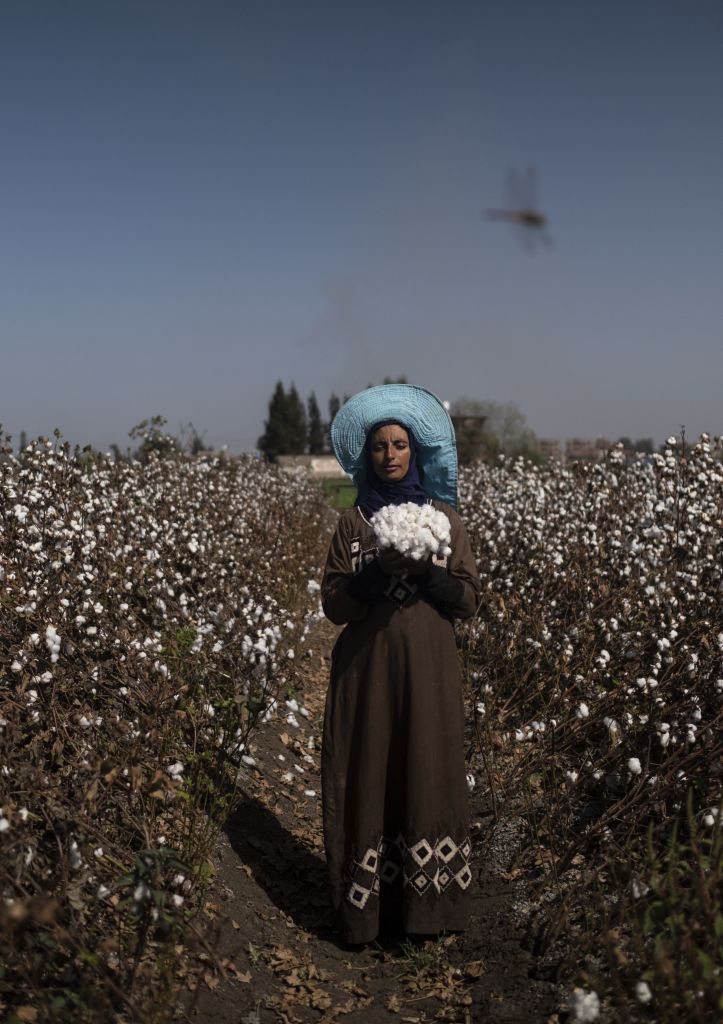
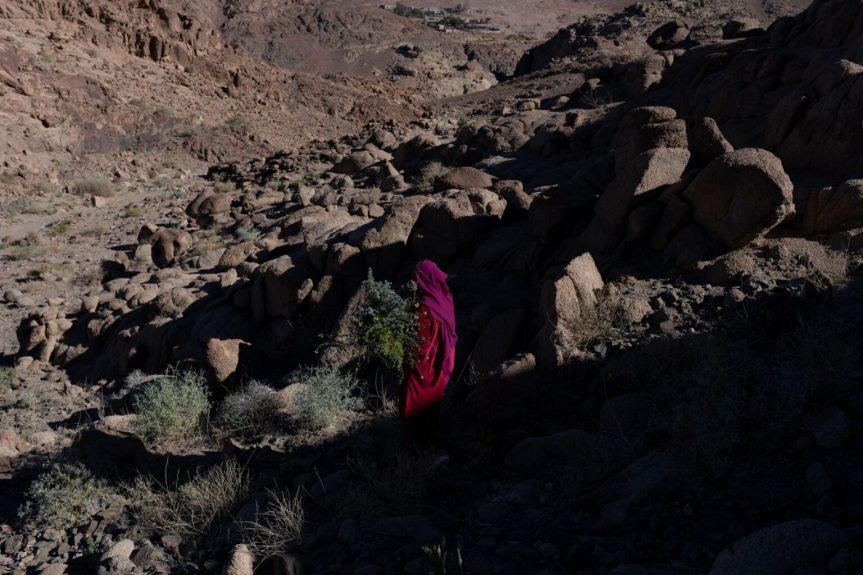
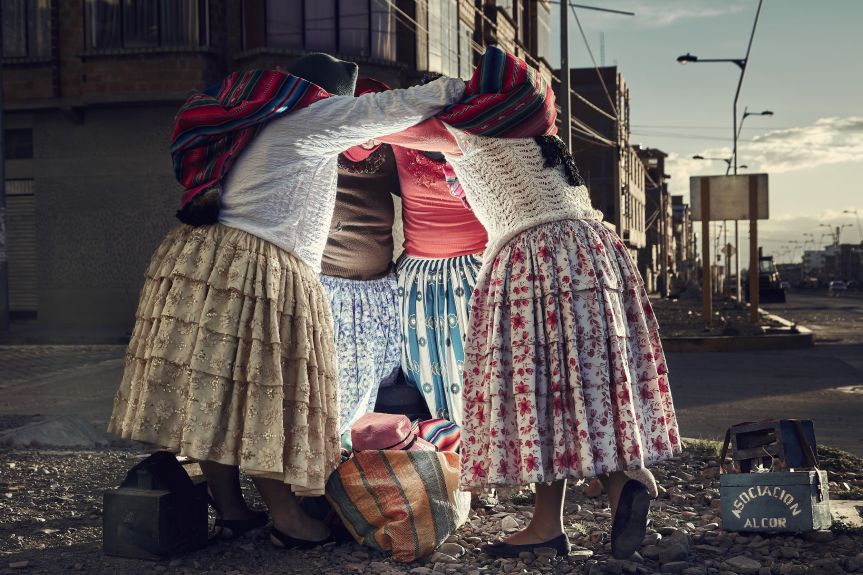
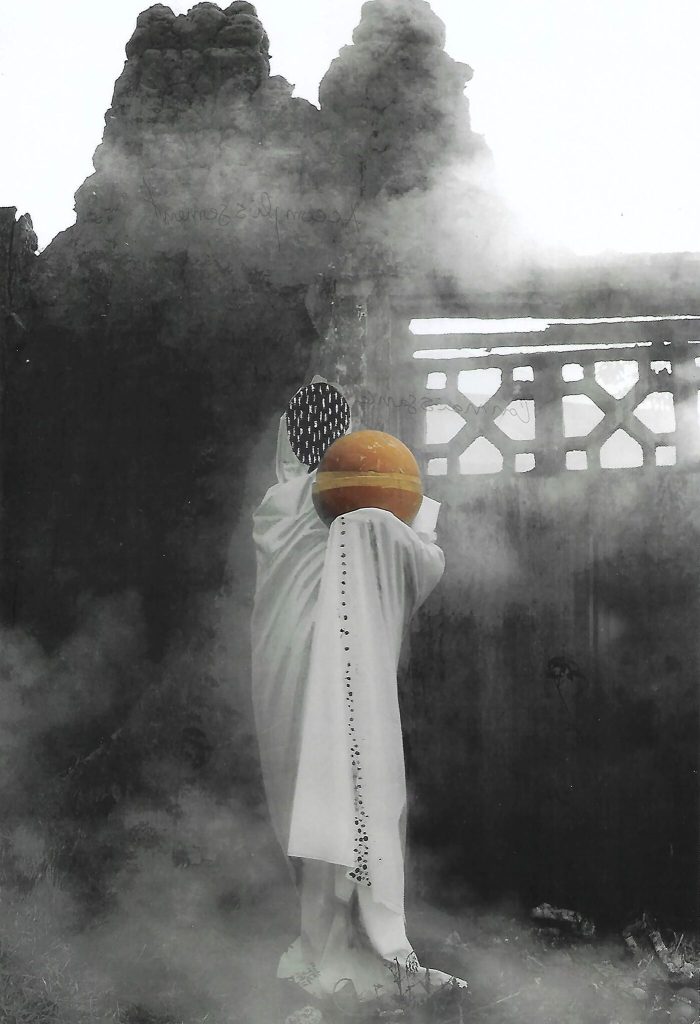
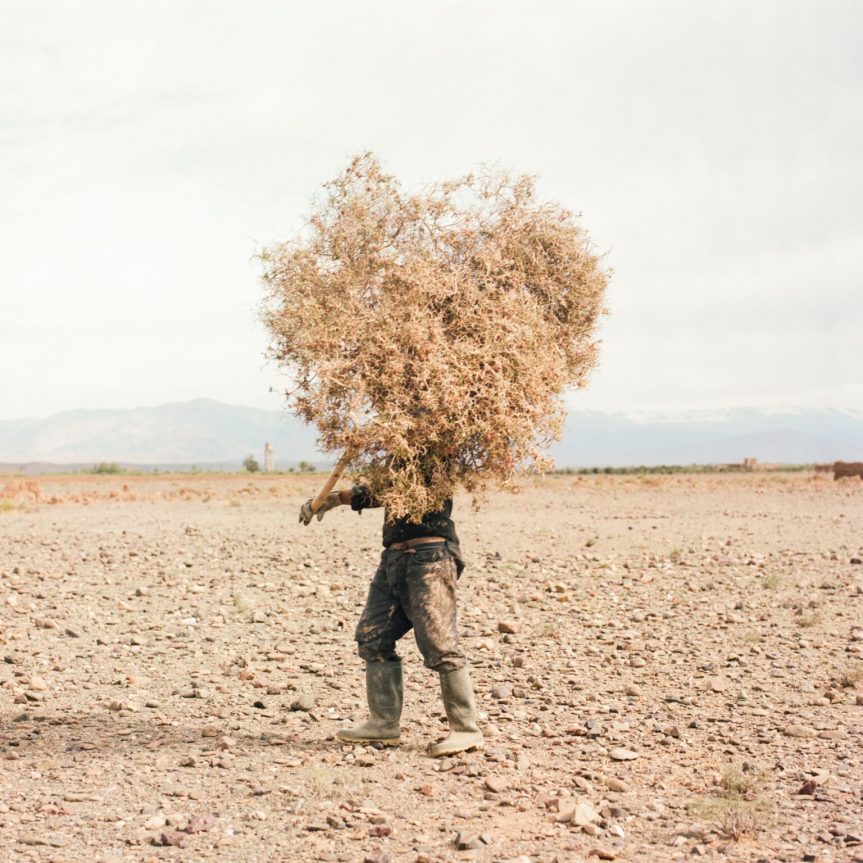
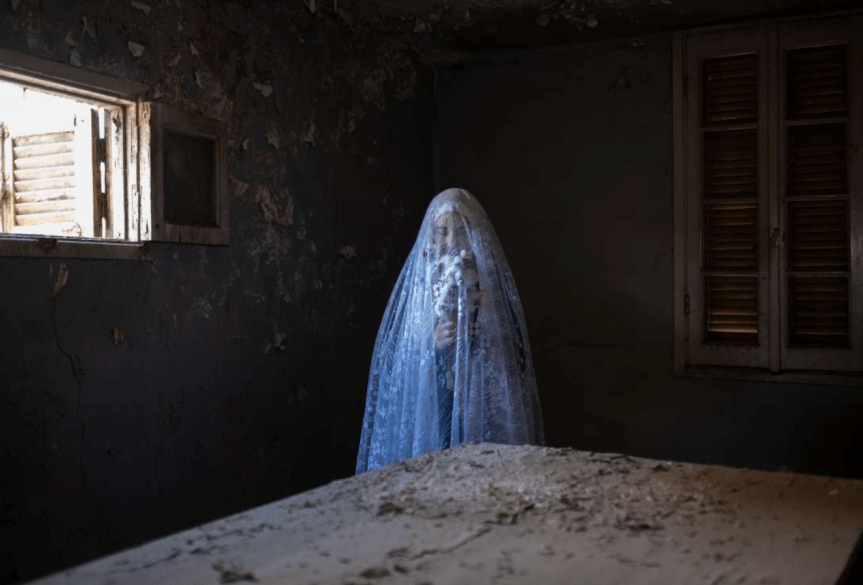
Images: Above & 2: Amina Kadous from the series White Gold, 2020 / 3 & 4- Federico Estol, from the series shine heroes / 5- Elaine Aisso, from the series connaissance-renaissannce / 6- Mhammed Kilito / Copyright the artists and LagosPhoto Festival 2025
 LE BRUITDUOFF TRIBUNE